What are reo bars, and what do they actually do inside concrete?
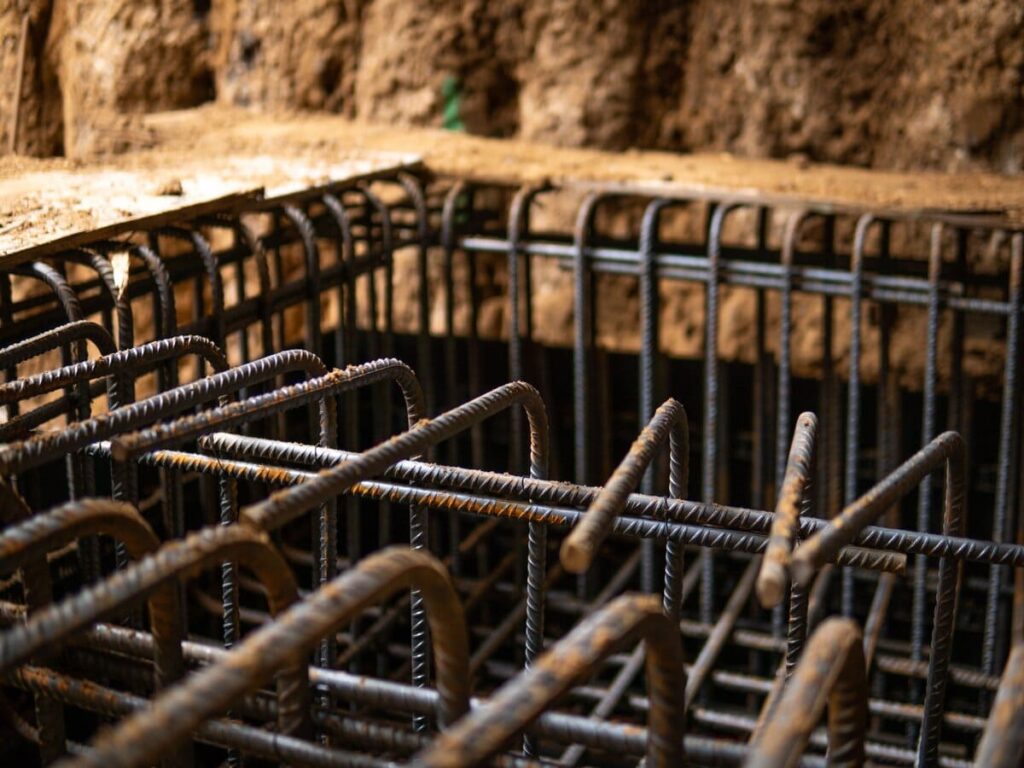
Reobars are ribbed steel bars placed inside concrete to handle tensile forces. Reobars help control cracking, increase load capacity, and improve ductility so the concrete fails more predictably rather than suddenly.
Because steel and concrete bond well, tension forces transfer from the concrete into the reobar. The ribs on a reobar improve grip, which is why correct placement and concrete cover matter just as much as bar size.
What is formply, and why is it used instead of regular plywood?
Formply is a purpose-made formwork sheet, typically with a durable resin film face designed to contact wet concrete. It is used to hold concrete in the right shape during the pour and early curing without swelling, delaminating, or leaving an overly rough finish.
Compared with standard plywood, formply is built for repeated use and moisture exposure. When installed properly, it supports fresh concrete pressure and helps produce consistent edges and surfaces.
How do reo bar and formply work together during a pour?
Formply creates a rigid mould, while reo bar creates the internal skeleton. Together, they ensure the concrete is both correctly shaped and structurally capable once hardened.
If formply bows or leaks, the concrete shape and cover can be compromised. If reo bar is misplaced, even perfect formwork will not prevent cracking, weak points, or long-term durability issues.
Where should reinforcement sit relative to the formply?
Reinforcement should sit inside the formwork with the correct concrete cover to protect the steel from moisture and corrosion. That cover is measured from the finished concrete surface, which is defined by the formply faces.
Chairs, bar supports, spacers, and tie wire keep the bars from sagging onto the formply. Without proper support, reo can end up too close to the surface or even exposed, which defeats the purpose of reinforcement.
Why do cover and bar supports matter so much?
Cover is the steel’s protective buffer. If the bar is too close to the formply, the concrete cover becomes thin, increasing the risk of rust, spalling, and early deterioration.
Supports also keep reinforcement where the engineer intended, especially during vibration and foot traffic. A well-supported cage resists movement, which helps the pour stay compliant and reduces costly rework.
How should the formply be set up to handle concrete pressure?
Formply should be fixed to a properly braced frame so it stays straight under wet concrete loads. Fresh concrete behaves like a heavy fluid, and the lateral pressure can push panels out, especially on walls and deep beams.
Tight joints, correct fastener spacing, and adequate studs and walers reduce deflection. If the formwork flexes, it can change member dimensions and reduce cover where the reo is closest to the face.
What mistakes cause formwork blowouts or misshaped concrete around reinforcement?
Most failures come from under-bracing, weak fixings, or rushed assembly. Blowouts often happen at seams, corners, or penetrations where pressure concentrates and where panels are not backed correctly.
Poor alignment can also trap reinforcement too close to a face, particularly at edges. When the cage is squeezed by distorted formwork, cover becomes inconsistent and the finished concrete can be structurally compromised.
How do they prevent reo from moving when concrete is placed and vibrated?
They prevent movement by tying intersections correctly and using enough chairs and spacers. A cage that is only lightly tied can shift during the pour, especially when concrete is discharged quickly or vibrators are used aggressively.
They also manage the pour sequence so concrete does not “wash” the bars out of position. Controlled placement, correct slump, and careful vibration keep reinforcement stable without creating voids.
What should they check before the pour to make sure both systems are working?
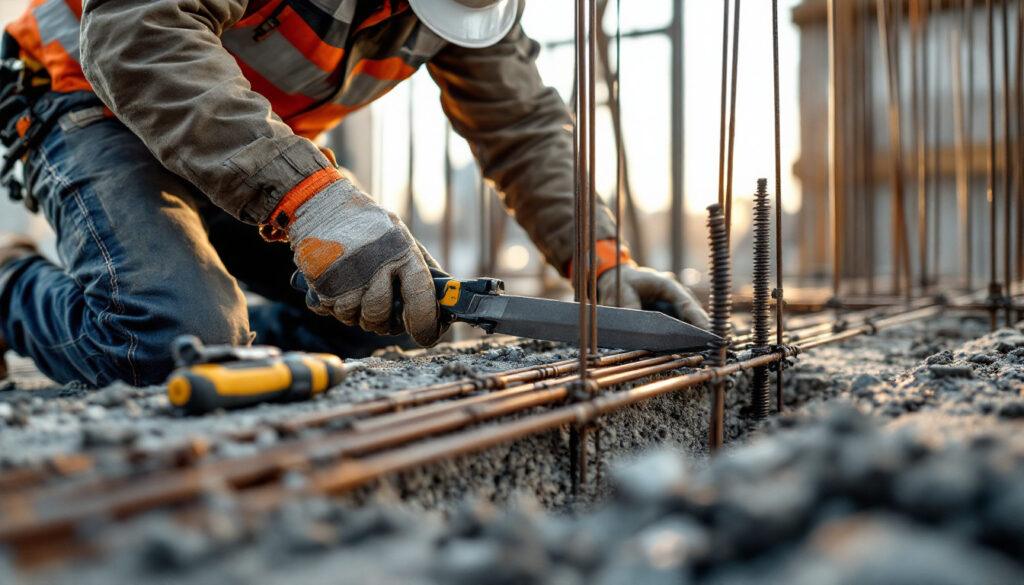
They should verify bar size, spacing, laps, and tie locations against the drawings. They should also check cover distances, bar supports, edge forms, penetrations, and that the cage is not touching formply.
On the formply side, they should check bracing, levels, straightness, sealed joints, and that release agent is applied correctly. A short pre-pour checklist often prevents the most expensive defects.
How does good formply affect the final finish and durability of reinforced concrete?
Good formply helps produce a smoother surface with fewer honeycombs, fins, and blowholes. That matters because surface defects can reduce cover locally, create water pathways, and increase patching needs.
It also supports consistent curing conditions by reducing leakage of cement paste at joints. When paste is lost, the surface can weaken and expose aggregate, which can shorten service life in harsh environments.
What is the simplest way to think about reo bar and formply as a single system?
They can think of formply as the “outside geometry” and reo as the “inside strength.” If either one is wrong, the concrete element can look acceptable but perform poorly, or perform well but fail inspection due to dimensional or cover issues.
When both are set out accurately, supported properly, and checked before pouring, the concrete has the best chance of meeting structural intent and lasting over time.
FAQs (Frequently Asked Questions)
What are reo bars and how do they improve concrete performance?
Reo bars are ribbed steel reinforcement bars placed inside concrete to handle tensile forces. They control cracking, increase load capacity, and improve ductility, ensuring concrete fails more predictably rather than suddenly. The ribs enhance the bond between steel and concrete, allowing tension forces to transfer effectively from the concrete into the bar.
Why is formply preferred over regular plywood for concrete formwork?
Formply is a purpose-made formwork sheet with a durable resin film face designed to contact wet concrete. Unlike standard plywood, it resists swelling, delaminating, and rough finishes during repeated use and moisture exposure. Properly installed formply supports fresh concrete pressure and produces consistent edges and smooth surfaces.
How do reo bars and formply work together during a concrete pour?
Formply acts as a rigid mould shaping the concrete pour while reo bars provide an internal skeleton that handles tensile stresses. Together, they ensure the concrete maintains its shape during curing and achieves designed structural strength. Misplacement of either can lead to cracking, deformation, or compromised durability.
What is the importance of correct reinforcement placement relative to formply?
Reinforcement must be positioned inside the formwork with adequate concrete cover measured from the finished surface defined by formply faces. This cover protects steel from moisture and corrosion. Using chairs, spacers, and tie wire prevents bars from sagging onto the formply surface, maintaining proper cover and reinforcing effectiveness.
How does proper bracing of formply prevent blowouts or misshaped concrete?
Formply should be fixed to a well-braced frame to resist lateral pressure from wet concrete, which behaves like a heavy fluid. Tight joints, correct fastener spacing, studs, and walers reduce panel deflection. Without sufficient bracing or with weak fixings, panels can bow or blow out at seams or corners causing distorted shapes and inconsistent cover over reinforcement.
What pre-pour checks ensure effective performance of both reo bar and formply systems?
Before pouring, verify bar size, spacing, laps, tie locations against design drawings; check that reinforcement has correct cover with proper supports; ensure cage does not touch formply; inspect formply bracing for straightness and level; confirm sealed joints; and apply release agents correctly. A thorough pre-pour checklist helps prevent costly defects in shape, strength, or durability.
Related : Scaffold Mesh Installation: What Builders Need to Know